Watch the Consortium’s YouTube video about wetlands and why they need protection (LINK: https://www.youtube.com/watch?v=iDqyZ6bI2k0)
What is a wetland?
Wetlands are areas of land that are covered or saturated with water either year-round or seasonally. Wetlands include marshes, swamps and bogs. Wetlands can be transitional zones between open water (lake) and dry land (upland areas). They are characterized by containing wetland-adapted plants (sometimes referred to as hydrophytes) and hydric soils (e.g., soils that form in response to low-oxygen conditions resulting from prolonged saturation).
Why are wetland valuable?
Wetlands are essential to maintaining biodiversity and protecting water quality. Wetlands contribute to climate resilience because they can store carbon in the soil and vegetation. Wetlands also provide storage for excess water from snowmelt and precipitation thereby reducing the potential for flooding. Wetlands provide habitats for rare plants and animals. And wetland vegetation and soil filter water, acting as a purification system, and improve water quality. In our region, wetlands can store nutrients that otherwise might enter Chautauqua Lake and increase the already very high levels of nutrients (especially nitrogen and phosphorus). Wetlands can also reduce the amount of sediment entering the lake. Read more about why wetlands are important by going to the USGS site (URL: https://www.usgs.gov/faqs/why-are-wetlands-important)
Wetlands serve us all by:
- Improving water quality
- Absorbing and reducing nutrients entering the lake
- Storing and reducing sediments entering the lake
- Protection against flooding
- Providing climate change resilience
- Preserving biodiversity
Department of Environmental Conservation (DEC) Freshwater Wetlands Program
The New York State Legislature passed The Freshwater Wetlands Act (Environmental Conservation Law Article 24) in 1975 with the intent to preserve, protect, and conserve freshwater wetlands and their benefits, consistent with the general welfare and beneficial economic, social and agricultural development of the state. Changes to this act were made in 2022. A factsheet summarizing the revised freshwater wetlands act changes for Chautauqua Lake can be found here (https://dec.ny.gov/sites/default/files/2025-03/chautlakewetlandsfaq.pdf). On April 8, 2026, the Albany County Supreme Court issued a decision affecting the DEC’s freshwater wetlands regulations. The DEC is currently conducting a comprehensive evaluation of the decision and its potential implications on the State’s permitting program. In the interim, permit applications are being reviewed on a case-by-case basis.
Wetland Mapping Tool
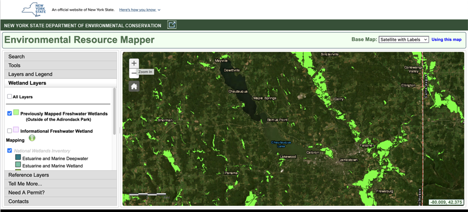
The Previously Mapped Freshwater Wetlands is represented by lime green layer on the DEC Environmental Resource Mapper (ERM). This the only layer that confirms presence of regulated wetlands, as it includes those wetlands that were under jurisdictional before the regulatory changes that took effect on Jan. 1, 2025.
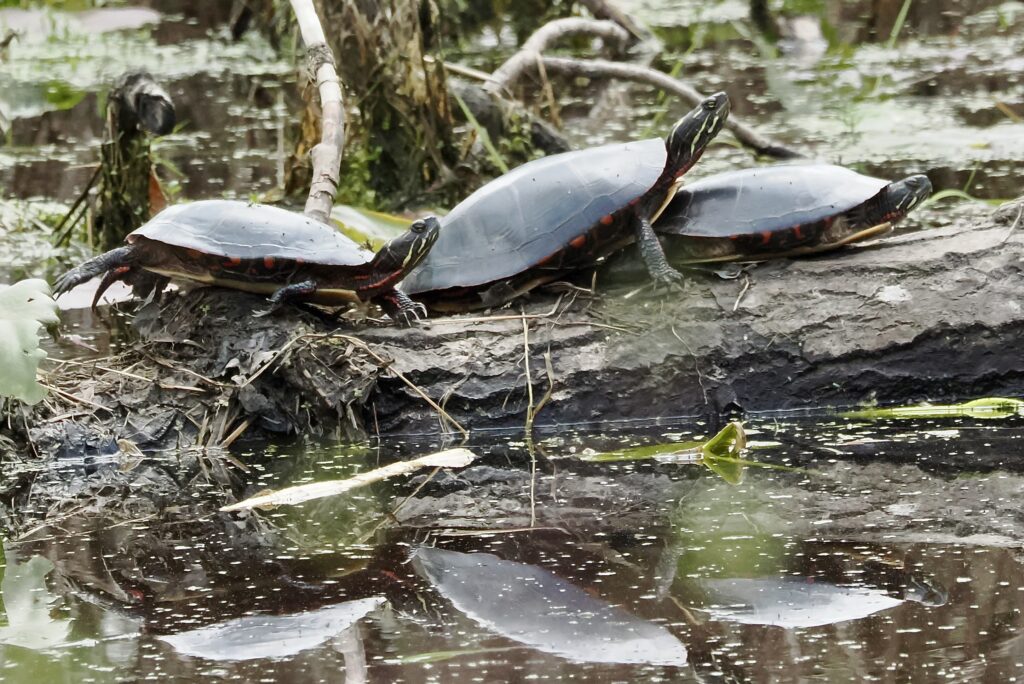
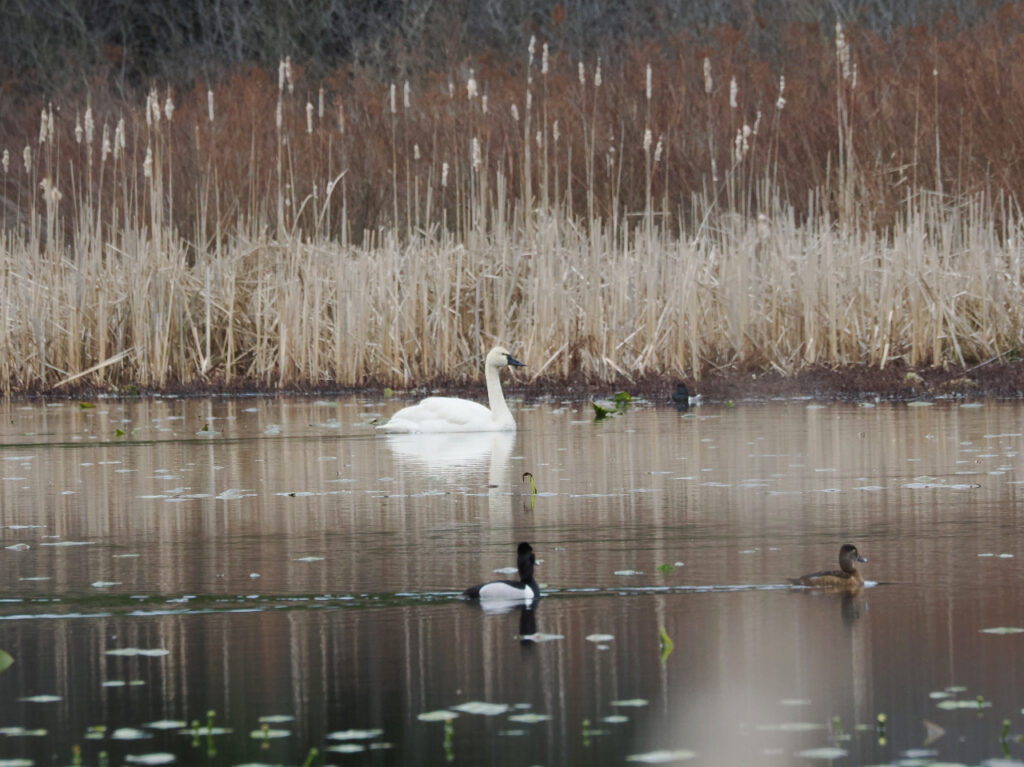
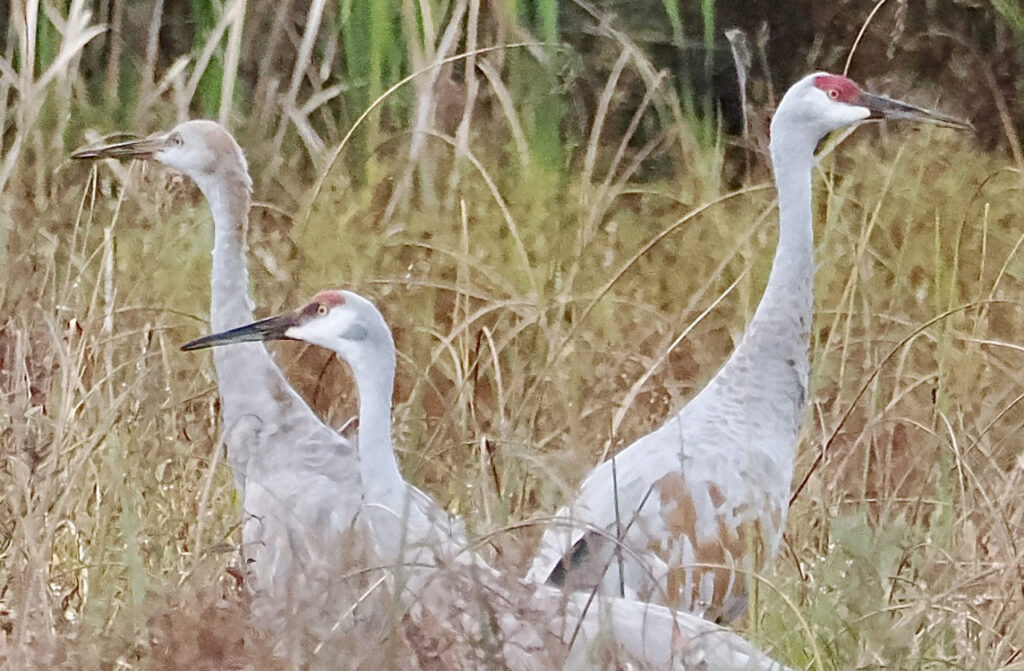
Conewango Creek Watershed Photos by Jan Bowman